Archive for: 2013

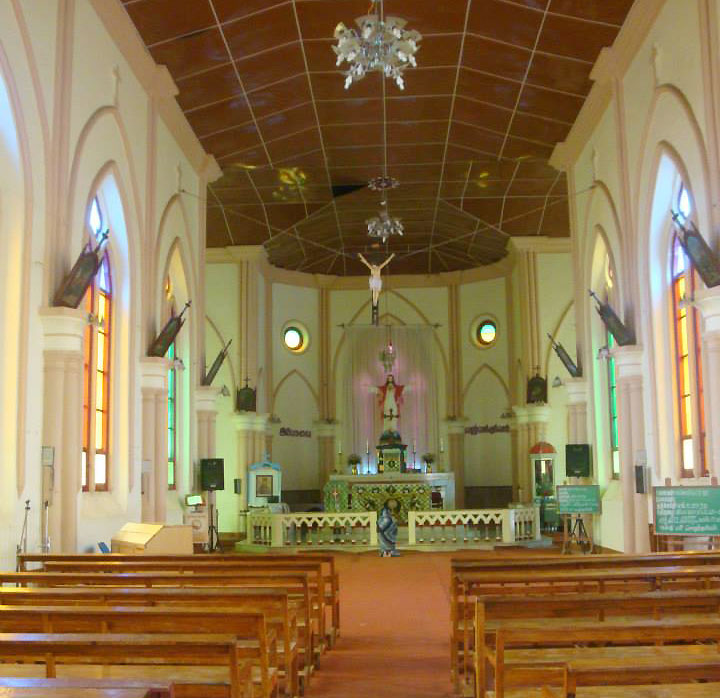
St. Xavier’s Cathedral, Kottar

THE HISTORY OF ST.XAVIER’S CHURCH

St. Francis Xavier’s Cathedral at Kottar is one of the Christian pilgrimage centers in India. Next to Goa, Kottar is the second important place where people from all walks of life, irrespective of caste and creed, language and religion worship St.Xavier. It is one of the oldest churches in Tamilnadu.
St. Xavier was canonized in 1622 while the church at Kottar was dedicated to St. Xavier even as early as 1605 itself seventeen years before he attained sainthood. So the historians say the church at Kottar is the first one dedicated to St. Xavier in the whole world.
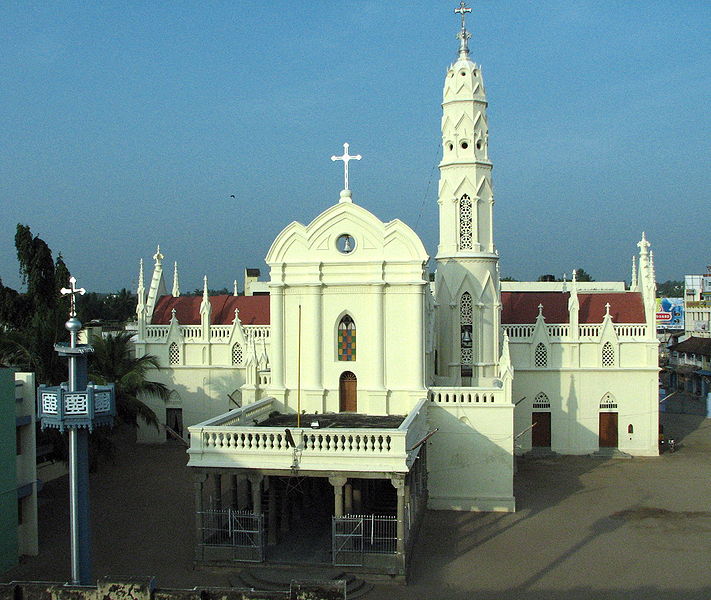
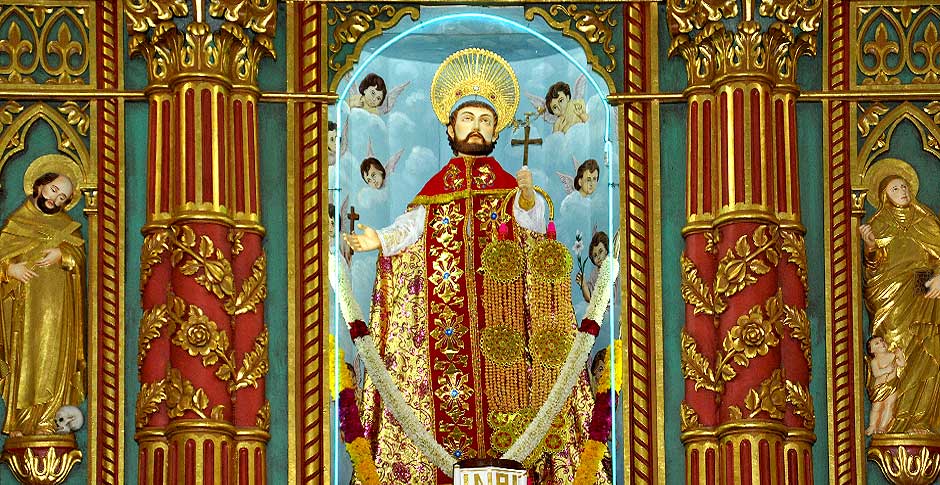
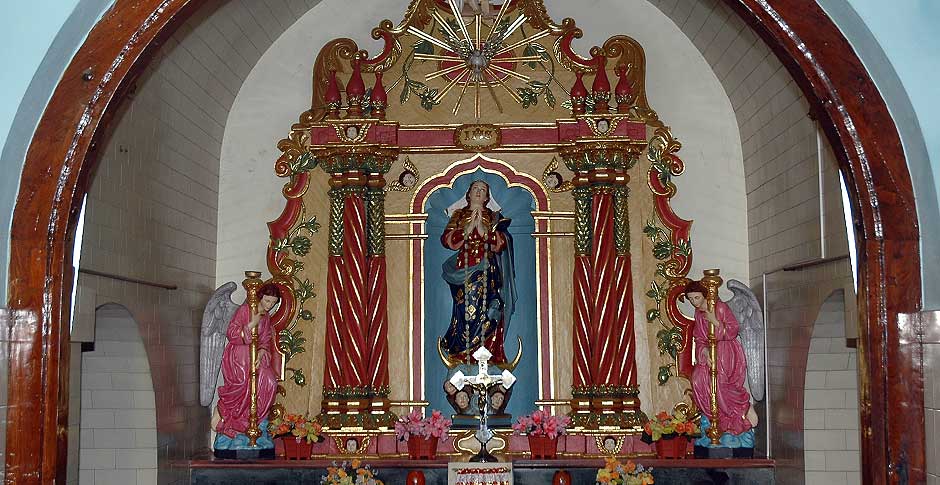
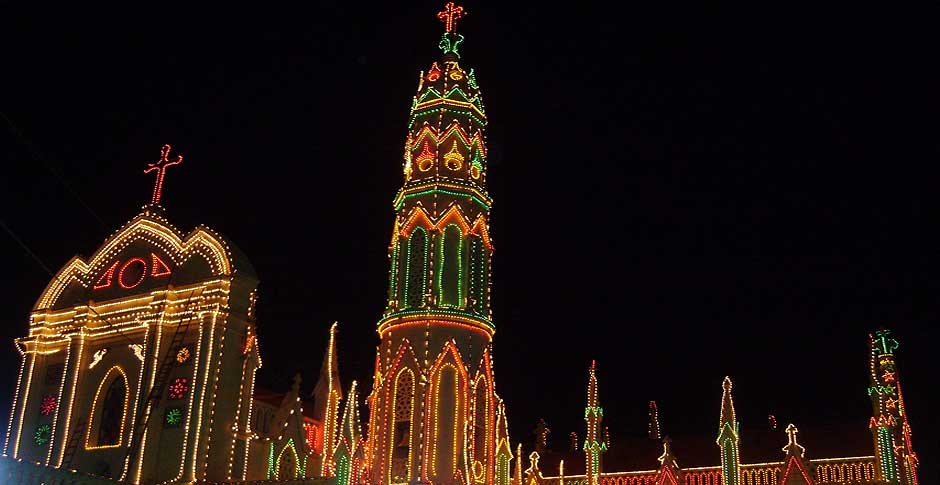
St Xavier's Cathedral - Kottar 1

St Xavier's Cathedral - Kottar 2

St Xavier's Cathedral - Kottar 3

St Xavier's Cathedral - Kottar 4

St Xavier's Cathedral - Kottar 5

St Xavier's Cathedral - Kottar 6

THE EARLY IMPORTANT EVENTS AT KOTTAR CHURCH

Christians lived at Kottar even before the arrival of St. Xavier. Those people became Christians due to the influence of St. Thomas who came to Kanyakumari District in the first century itself. It is said that St. Xavier was the first foreign missionary who visited Kottar.Until 1602, the construction of Christian churches was not allowed by the then Travancore maharajas. The Christians were allowed to build small temporary churches only at the coastal areas of the fishermen villages of paravas and mukkuvas in thatched sheds with bamboos, palm leaves and mud.

In 1602, the South Travancore maharaja donated his own garden at Kottar to the Italian priest Fr. Pucchario to construct a church at Kottar. Fr. Andreas Pucchario S.J. constructed the first church at Kottar in 1603 with mud and wood at the place where St. Xavier performed prayers and masses. The church was called Trinity Church. Since the people of Kottar had great faith in St. Xavier they used to call the church “Saveriyar Koil” . The name “Xavier” was pronounced as “Saveriyar” by the local people at that time.

In 1605, Fr. Pucchario dedicated the church to St. Francis Xavier. From that day onwards people called the church “Saveriyar Koil”

THE HISTORY OF THE GROWTH OF ST. XAVIER’S CHURCH AT KOTTAR

In 1603, a small church was built with mud and wood.

In 1640, the church was reconstructed with stones (Report of the Society of Jesus, 1644). In 1640, the church constructed with mud and wood, was reconstructed into a new church with stones and in 1643 the sacred relics of St. Ignatius Loyola and St. Francis Xavier were safeguarded there.

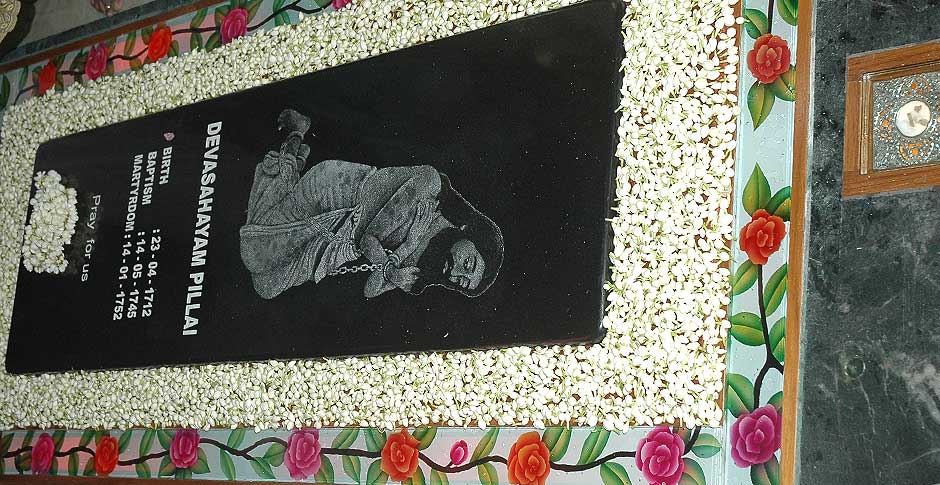
In 1752, the mortal remains of Devasagayam Pillai was buried at St. Xavier’s Church.

According to the report (1698) sent by Fr. Gomes Andreas, head of the Society of Jesus, Cochin to Fr. Gonzales, head of the S.J. at Rome, a big church at Kottar was built near the small church with stones.According to the report of the Society of Jesus (1733), “Kottar was a big town. It was the headquarters of all Christian Churches of that area. A big church was there and it was dedicated to St. Francis Xavier, the first foreign missionary to visit Kottar.

EXTENTION OF CHURCH

In 1865, the new church was extended on the western, northern and southern sides. So the church looked like a cross. Tiles on the roof were removed and a high dome was constructed above the main altar. A dome was also constructed at the small church (St. Mary’s). Mt. Rev. T.R. Agnisamy, the second bishop of Kottar Diocese was buried in St. Mary’s church on 7th May 1974.

WOODEN ALTAR

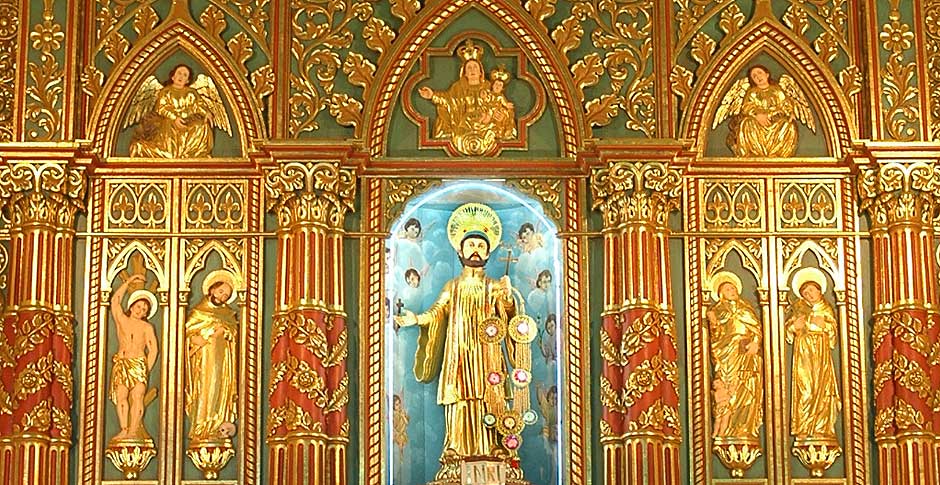
In 1876, an architect from Kollam, Jokin Fernandes designed the main altar in wood. The wooden statue of St. Francis Xavier kept in the altar was brought from Goa.

CONSTRUCTION OF A MANDAP

During the end of the 19th century a mandap was constructed in front of the church with big stone pillars. The stone pillar mandap represents Indian culture. This mandap was designed and constructed by the architect John Louis Fernandes. Later on when he died he was buried in the mandap itself.

TOWER

In memory of the 400th year of St. Xavier’s arrival in India, a tower and the statue of St. Xavier on the top of it and a grotto of St.Lourdes nearby were constructed at the northeastern side of the church campus. That was donated by J.A.D. Victoria of Manapad of Tuticorin Diocese.

Kottar Diocese was formed on May 30th 1930. St. Xavier’s Church, at Kottar was declared cathedral. Mt. Rev. Lawrence Pereira, the first Bishop of the Kottar Diocese was buried in the church on 05.01.1938. Mt. Rev. Leon Dharmaraj, the fourth bishop of Kottar Diocese was also buried in the main altar of the church.

When Fr. Barnabas was the priest of St. Xavier’s Cathedral in 1956, the western, southern and northern sides of the church were extended further. The St. Mary’s Church was annexed and became a part of the main church. In memory of the silver jubilee celebration of Kottar Diocese a tall tower was erected on the northern side of the church and blessed by Mt. Rev. T.R. Agnisamy, Bishop of the Diocese on November 24th, 1956.

When Fr. Berchmans was the parish priest of the cathedral, the church compound wall was extended further on the northwestern side and a new exit gate was opened for the convenience of the people during the festival seasons. Fr. Berchmans in 2009 constructed a new flag post covered with bronze in typical Travencore style. This type of flag post is unique in churches of Tamilnadu. After seeing the beauty of the flag post, many churches in Kottar, Palayamkottai and Tuticorin Dioceses started to convert their flag posts in the model of St. Xavier’s Church at Kottar. In 2009 a new tall statue of St. Xavier was erected at the entrance of the church.

RENOVATION OF THE ALTAR

In 2010, Fr. Berchmans brought artisans from Goa to renovate the main altar of the church. At present the wooden portions of the main altar, the statue of St. Xavier and wooden portion of St. Mary’s Church were covered with gold. Now the main altar and the St. Xavier’s Statue glitter brightly. Nowhere in Tamilnadu can we see such a beautifully glittering altar and the statue of St. Xavier.

In 2011, parish priest Fr. Robert Julius and the co-priest Fr. Amuthavalan are taking tremendous efforts to change the colour of the outer walls of the spacious church into milky white. To give this new color to the church and for other renovation works, the church needs nearly Rs.3 million. The parish priest is collecting the money from people as donations. People, who have great faith in St. Xavier, are contributing for this work.
The Mt. Rev. Peter Remigius, the fifth and the present Bishop of the Kottar Diocese and the parish priest of the Cathedral are taking steps to upgrade the St. Xavier’s Cathedral to the status of Basilica.The glory, fame, reputation and miracles of this ancient St. Francis Xavier’s Church at Kottar shall grow in the centuries to come.

Contact:
ST. XAVIER’S CATHEDRAL
Kottar, Nagercoil, Kanyakumari district,
Tamil Nadu, India

For more information, please visit:
http://stxavierscathedralkottar.com/
http://www.francisxaviers.com/
http://www.francisxaviers.com/web2012/
http://www.kottardiocese.org/
http://en.wikipedia.org/wiki/Devasahayam_Pillai

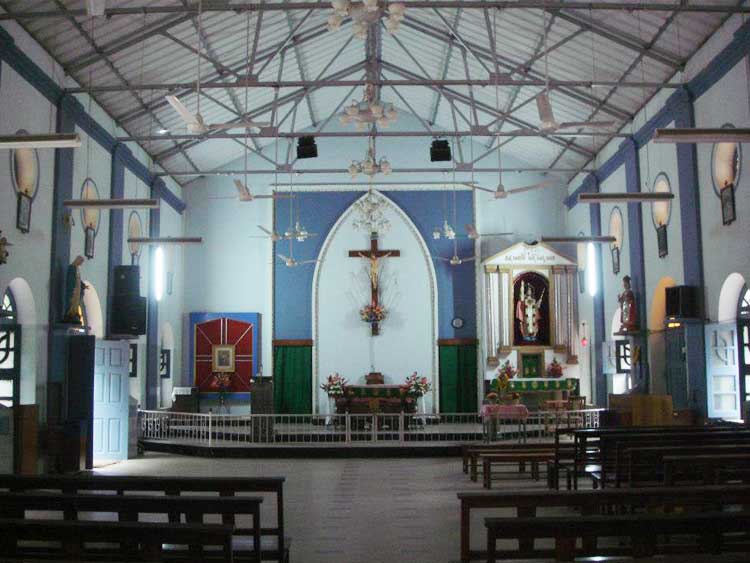
Courtesy: http://stxavierscathedralkottar.com/history.html

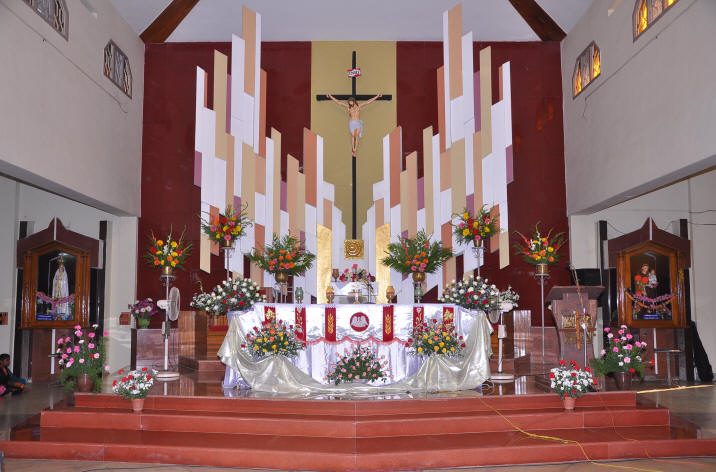
Christ the king Church, Malleswaram, Bangalore

Christ the king Church, Malleswaram, Bangalore

Christ the king Church - Malleswaram - Bangalore 1

Christ the king Church - Malleswaram - Bangalore 2


Christ the King Church
8th Main Road,
Malleswaram West,
Bengaluru 560 055

Daily Mass Timings:
Monday, Wednesday & Friday 6.30 am (Kannada)
Tuesday & Thursday 6.30 am (Tamil)
Saturday 6.30 am (Tamil) 6.00 pm (English)

Sunday Mass Timings:
6.30 am (English)
7.30 am (Kannada)
8.45 am (Tamil)
6.00 pm (Kannada)

Adoration:
Every First Friday 6.00 pm

Contact: 080-23342313

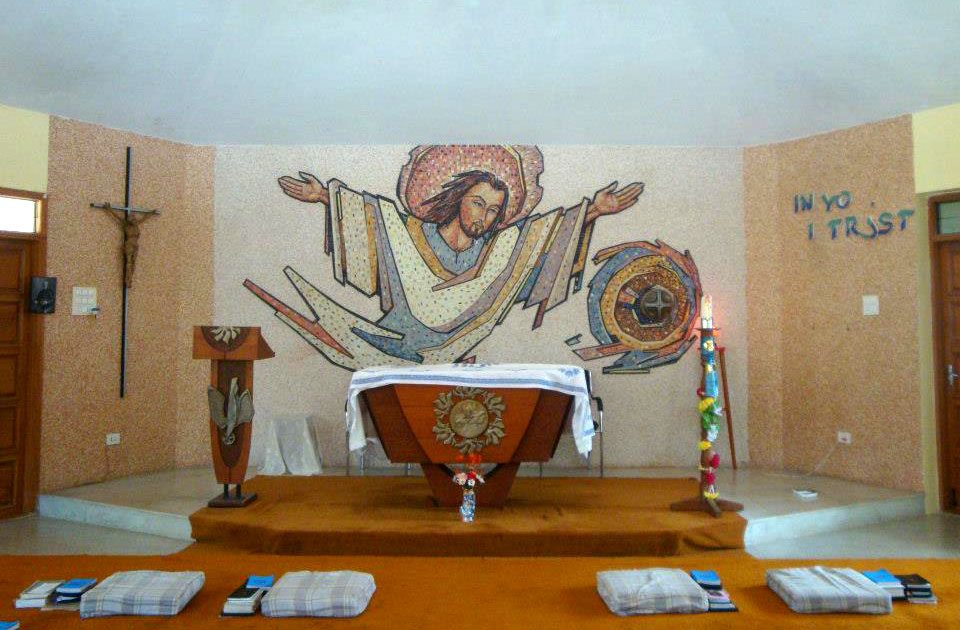
Holy Cross Novitiate, Yercaud

Holy Cross Novitiate - Yercaud

Holy Cross Novitiate, Yercaud

Sacred Heart Church, Yercaud, Salem

Sacred Heart Church, Yercaud

Sacred Heart Church,
Yercaud,
Salem Dt,
Tamil Nadu,
Pin : 636601
Ph.No: 04281 – 222348.

Church Established – 1934.

Our Lady of Fatima Church, East Tambaram, Chennai

Our Lady of Fatima Church located on Velachery Road in East Tambaram, Chennai 600059, in the District of Kancheepuram, Tamil Nadu, South India. The Church is under the Diocese of Chengelpet headed by His Excellency Rt. Rev. Dr. Neethinathan Bishop of Chengelpet.

Our Parish had a very humble begining, initally under the Archidiocese of Madras-Mylapore, we started as a substation of St. Francis Xavier’s Church Pallavaram. The then Parish Priest of Pallavaram Rev. Fr. Joseph Nazarene Rodriquez built a small Church in Tambaram in 1936 and it was blessed and opened by His Excellency Rt. Rev. Querreiro the Bishop of Mylapore in 1937.

Fatima-Church-Tambaram-Chennai-2

Since 1939 Rev. Fr. Nazarene began his ministry at Tambaram and on 31st May 1942, Tambaram was made a separate Parish. Rev. Fr. Nazarene was made the first Parish Priest. The beautiful statue of Our Lady of Fatima which still adorns the Church was brought from Portugal.

Rev. Fr. C.J. Mani started the elementary school in 1960. Fr. Joseph Thyparambil was one of the pioneers to start in this Parish the Small Christian Communities (S.C.C), which is called as Anpiams (B.C.C.) today. Then in 1987 Rev. Fr. K.J. Francis was made the Parish Priest, He is one among the Parish Priests who won the hearts of most of the Parishners, he also built the present church and the presbytery.

Then after the bifurcation of the Diocese of chengelpet in 2002. Rev. Fr. E. Arulappa was appointed as the Parish Priest. Before coming to the parish, Rev. Fr. E. Arulappa went on a pilgrilmage to Fatima, Portugal and came with a vision to renovate the old grotto. He also started the novena devotion to our Lady of Fatima on the 13th of every month in the Parish Church. With the upgrading of the School as Higher Secondary, he made the required plans for the extension of the School and built the first floor of the Parish hall. He also built the beautiful Adoration Chapel. The last major work that Rev. Fr. E. Arulappa undertook was the renovation of the church’s floor with marbles, especially the Alter.

In the year 2008 Rev. Fr. A. Arulraj succeeded as Parish Priest, as soon as He took charge Rev. Fr. A. Arulraj made a lot of significant changes in the Church premises, completed the extension work of St. Joseph School and continuing the works started by his predecessors. In a view of making the campus eco-friendly, he started expanding the gardens in the Church and started a greenary bank to make the parishners actively participate towards the devolepment of the eco-system. To bring about the practice of reading the Bible, he also started a Bible bank to help people follow the Scriptures in the Holy Mass and other services.

History of the Holy Rosary

There are differing views on the history of the rosary. The traditional story of the rosary was that Mary herself appeared to Saint Dominic in the twelfth century. At that time, tradition says she gave him the rosary and promised Dominic that if he spread devotion to the rosary, his religious order would flourish. It is quite true that Dominic was quite devoted to the Blessed Mother, but no one knows for sure if Our Lady herself gave Dominic the rosary. If she did, it is quite certain that she did not give him a rosary that looks like the one we have today.

Originally the rosary had 150 beads, the same number of psalms in the Bible. In the twelfth century, religious orders recited together the 150 Psalms as a way to mark the hours of the day and the days of the week. Those people who didn’t know how to read wanted to share in this practice, so praying on a string of 150 beads or knots began as a parallel to praying the psalms. It was a way that the illiterate could remember the Lord and his mother throughout the day. The “Divine Office”; the official prayer of the church; is the recitation of the psalms over a four week period, and is still prayed today. This first rosary was prayed as we do today, a person would pass their fingers over each bead and say a prayer, usually the “Our Father”. The “Hail Mary” as we know it wasn’t even around at that time.

The Hail Mary owes its origin to the rosary. When people said the rosary in the twelfth century, Gabrielle’s greeting “Hail Mary, full or grace, the Lord is with thee” was often said along with the Our Father. Later, Elizabeth’s greeting ”blessed are you among women” was added. It was not until the sixteenth century that the words “Holy Mary., Mother of God, pray for us sinners now and at the hour of our death” were added.

Various people have added other things to the rosary over the centuries. In the fifteenth century, a Carthusian monk divided the rosary into fifteen brackets (or decades) and a Dominican assigned mysteries to each of the decades. These mysteries were events in the life of Jesus as written in the gospels. By meditating on these events even the illiterate could know the stories in the Bible. These decades were the same as ours except for the last two Glorious mysteries. In those two, the Coronation and the Assumption together made up the fourteenth decade and the fifteenth decade was the Last Judgment.

On October 16, 2002, Pope John Paul II, declared that the following year would be the “Year of the Rosary”. For the first time in centuries a change was made in the rosary. The Pope added and defined 5 new mysteries that concerned events in the public life of Jesus. These new mysteries were called the “Luminous Mysteries” or “Mysteries of Light” Today’s complete rosary is now made up of twenty decades of the Hail Mary, separated by an Our Father and a Glory Be and sometimes the Fatima prayer. Evidence again that the rosary is a living prayer that grows with the church. We usually break the rosary into four sets. The four sets are The Joyful Mysteries, The Sorrowful Mysteries, The Glorious Mysteries, and the Luminous Mysteries. One set is prayed on a rosary that has five decades. Each set is prayed on designated days of the week. There are variations however, and in some countries the rosary may even have different mysteries.

Despite all the additions and changes, the important core of the rosary has always remained the same. It is a way for God’s people to make holy the day, and to remember the life of Jesus and his mother. May these humble origins always be with us each time we pray the rosary.

Holy Mass & other worship Timings

In the Parish Church:
Monday to Friday:
Morning: 06:15am Holy Mass in Tamil
Evening: 06:15pm Holy Mass in Tamil

Wednesday:
Morning: 06:15am Holy Mass in English

Adoration:
1st Thursday: 06:30pm Followed by Holy Mass in Tamil

Saturday:
Morning: 06:15am Holy Mass in Tamil
Evening: 05:30pm to 06:30pm Confession will be heard
06:30pm Holy Mass in Tamil

Sunday:
Morning:
06:30am Holy Mass in English
08:00am Holy Mass in Tamil
08:45am Holy Mass for Cathechism Children in Tamil
10:00am Holy Mass in Tamil

Evening:
06:15pm Holy Mass in Tamil

1st & 3rd Sundays of every month:
Baptism: after 10:30am Holy Mass

2nd Saturday of every month:
Morning 06:30am Holy Mass in the Cemetery, Prayed for the departed souls

13th of every month: Parish Novena day
06:15pm Our Lady’s Car procession, Rosary, novena followed by Holy Mass in Tamil.
In Substations:
St. Antony’s Chapel, Malaiadivaram:

1st Tusday of every month:
06:45pm St. Antony’s Car procession followed by Holy Mass & Benidiction in Tamil.

Tuesday:
06:45pm Holy Mass in Tamil

Sunday:
06:45am Holy Mass in Tamil

Sacred Heart Chapel, Railway Colony:

1st Friday of every month:
06:30pm Holy Mass in Tamil

Saturdays:
06:30pm Holy Mass in Tamil

Annai Velankanni Chapel, Vinobanagar:

2nd & 4th Friday of every month:
06:30pm Holy Mass in Tamil

St. Sebastian’s Chapel, Sebastiarpuram:

Last Saturday of every month:
07:15am Holy Mass in Tamil

Contact Us:
Our Lady of Fatima Church (Estd 1940),
Velachery Road,
East Tambaram,
Chennai – 600 059
Tel : 044 – 223 90 722

For more information please visit:
http://www.fatimachurchchengai.in/

http://www.chengaidiocese.org/parishes/view/78

Follow Us:
Facebook: https://www.facebook.com/OurLadyOfFatimaChurchTambaram

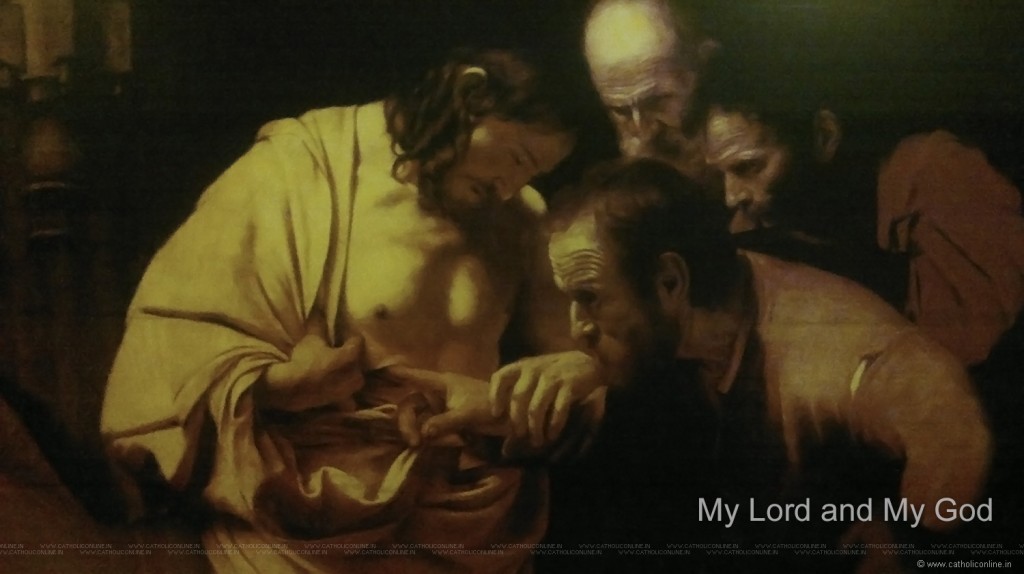
My Lord and My God

Photo taken from National Shrine of St. Thomas Basilica, San Thome High Road, Mylapore, Chennai, INDIA